
Bank working hours in 2026 are an important topic for customers as several adjustments in branch timings, service windows, and customer facing hours are being discussed and implemented. Whether you visit a bank for cash transactions, document verification, or customer service, knowing the updated opening and closing times can save time and avoid inconvenience.
Why Bank Working Hours Are Changing in 2026
The changes in bank working hours are driven by evolving customer behavior, increased digital banking usage, and operational efficiency goals. Banks are focusing more on online services while streamlining in branch operations. Regulatory guidance and operational policies shaped by institutions such as the Reserve Bank of India also influence how banks structure their working hours.
These changes aim to balance customer convenience with employee workload and security requirements.
New Bank Opening and Closing Times Explained
In 2026, most banks are expected to continue opening branches in the morning while adjusting customer service hours within the workday. While exact timings may vary by bank and location, many branches are aligning customer facing services within a defined window rather than the full office day.

Typically, branches may open earlier for staff operations and close customer transactions before the official end of the workday.
Customer Service Hours vs Office Working Hours
A key point many customers overlook is the difference between branch working hours and customer transaction hours. Even if a bank branch remains open, certain services such as cash deposits, withdrawals, or cheque processing may stop earlier in the day.
This separation allows banks to complete back office processing securely after customer counters close.
Common Bank Timings Customers Should Expect
While banks may vary, customers are likely to see broadly similar patterns across public and private sector banks.

Expected structure includes:
• Morning opening for customer services
• Fixed cut off time for cash transactions
• Afternoon hours for non cash services
• Reduced hours on certain weekdays or month end
• No branch service on bank holidays
Always checking the specific branch notice is recommended.
How Digital Banking Affects Branch Timings
With the rise of mobile banking, internet banking, and ATMs, banks are encouraging customers to complete routine tasks digitally. This shift allows banks to reduce pressure on branches and focus in person services on complex customer needs.
Digital services remain available 24 hours, even when branches are closed.
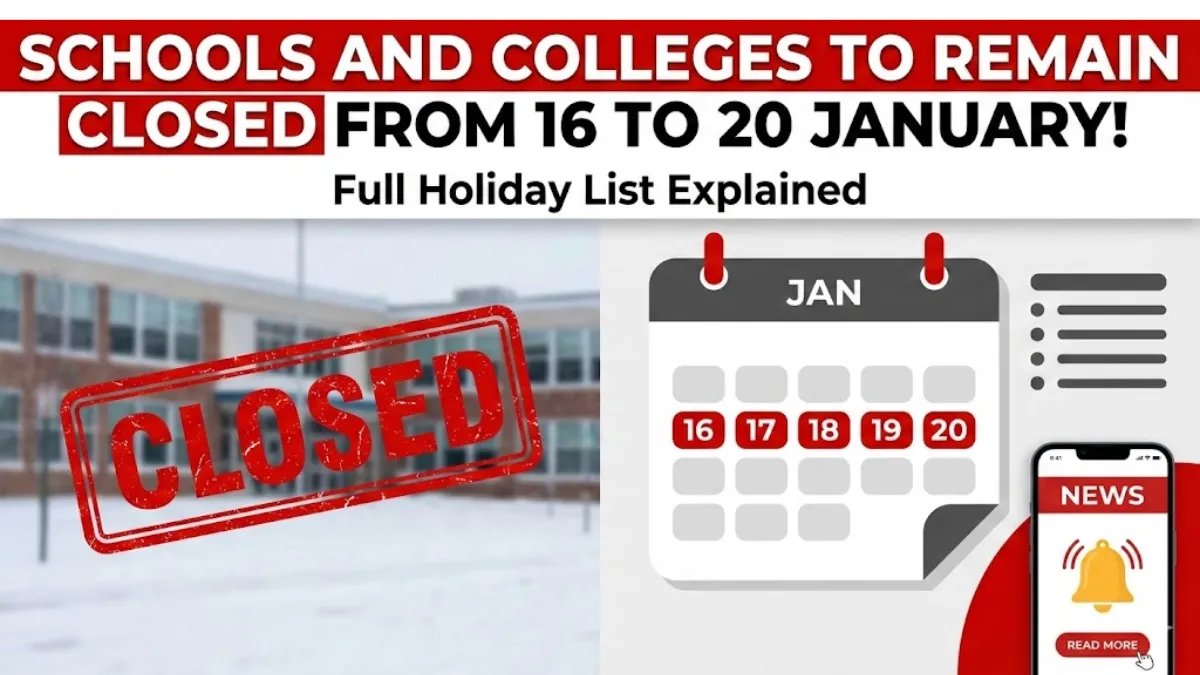
Bank Holidays and Weekend Closures in 2026
Bank working hours are also affected by national and regional holidays. While weekends generally include closures on Sundays and selected Saturdays, holiday schedules vary by state and bank category.
Customers should review official holiday lists issued annually to plan visits accordingly.
What Customers Should Do Before Visiting a Bank
Before visiting a branch, customers should confirm the exact working hours and service availability. Many banks display daily timings at branch entrances and on official websites.
Calling the branch or checking official digital channels helps avoid unnecessary trips.
How These Changes Affect Senior Citizens and Businesses
Senior citizens and business customers who rely heavily on branch services may need to adjust visit timings. Some banks continue to offer dedicated hours or priority counters, but availability depends on branch policy.
Planning visits earlier in the day is often the safest option.
Conclusion:
Bank working hours in 2026 reflect a shift toward efficiency, digital adoption, and structured customer service windows. While branches remain accessible, opening and closing times for customer transactions may differ from earlier years. Staying informed about your bank’s specific timings ensures smoother and faster service.
Disclaimer: This article is for general informational purposes only. Bank working hours, service timings, and holiday schedules vary by bank, branch, and location. Customers should always verify timings through official bank communication or their local branch.